

Counterfeit Products
Counterfeit Products Are More Than A Revenue Problem.

Counterfeit products have become one of the fastest-growing threats facing manufacturers and brand owners around the world. What was once largely associated with luxury handbags and designer watches now impacts nearly every industry—from pharmaceuticals and consumer products to sports memorabilia, apparel, wine and spirits, industrial components, and premium collectibles.
While lost sales often receive the most attention, the real damage is much broader. Counterfeit products weaken customer trust, undermine brand reputation, strain relationships with distributors and retailers, and diminish the value companies have spent years building.
For organizations that rely on quality and reputation, protecting products has become essential to protecting the brand itself.
Why Counterfeit Products Continue To Grow

Counterfeiters have never had greater access to manufacturing capabilities, global supply chains, and online marketplaces.
Today's counterfeit products are often manufactured with packaging, branding, and labeling that closely resemble the genuine product. In many cases, even experienced buyers struggle to identify the difference through visual inspection alone.
At the same time, e-commerce has made it easier than ever for counterfeit products to reach customers directly. Products can move across borders quickly, appear on multiple marketplaces simultaneously, and be sold through unauthorized retailers before manufacturers even become aware there's a problem.
As legitimate brands expand into new markets, counterfeiters often follow.
The Hidden Cost Isn't The Product. It's The Reputation.
When customers unknowingly purchase a counterfeit product, they rarely investigate where it came from.
They remember the brand.
If the product performs poorly, fails unexpectedly, or doesn't meet expectations, the negative experience becomes associated with the company whose name appears on the packaging—not the individual who manufactured the counterfeit.
For premium brands, this loss of confidence can have lasting consequences. Customer loyalty declines. Online reviews suffer. Retailers begin asking questions. Future purchases become harder to earn.
Brand reputation is one of a company's most valuable assets, and counterfeit products attack it directly.
Every Industry Faces Different Risks
Counterfeit products don't affect every business the same way. A pharmaceutical manufacturer faces patient safety concerns and regulatory risks. A luxury fashion brand works to preserve exclusivity and customer confidence. A premium spirits producer may encounter counterfeit bottles in export markets. Sports memorabilia companies must maintain collector trust and long-term value. Industrial manufacturers may see counterfeit replacement parts create safety concerns and warranty issues.
Although the products differ, the objective remains the same: ensuring customers receive authentic products that meet the standards associated with the brand.
A Real-World Example
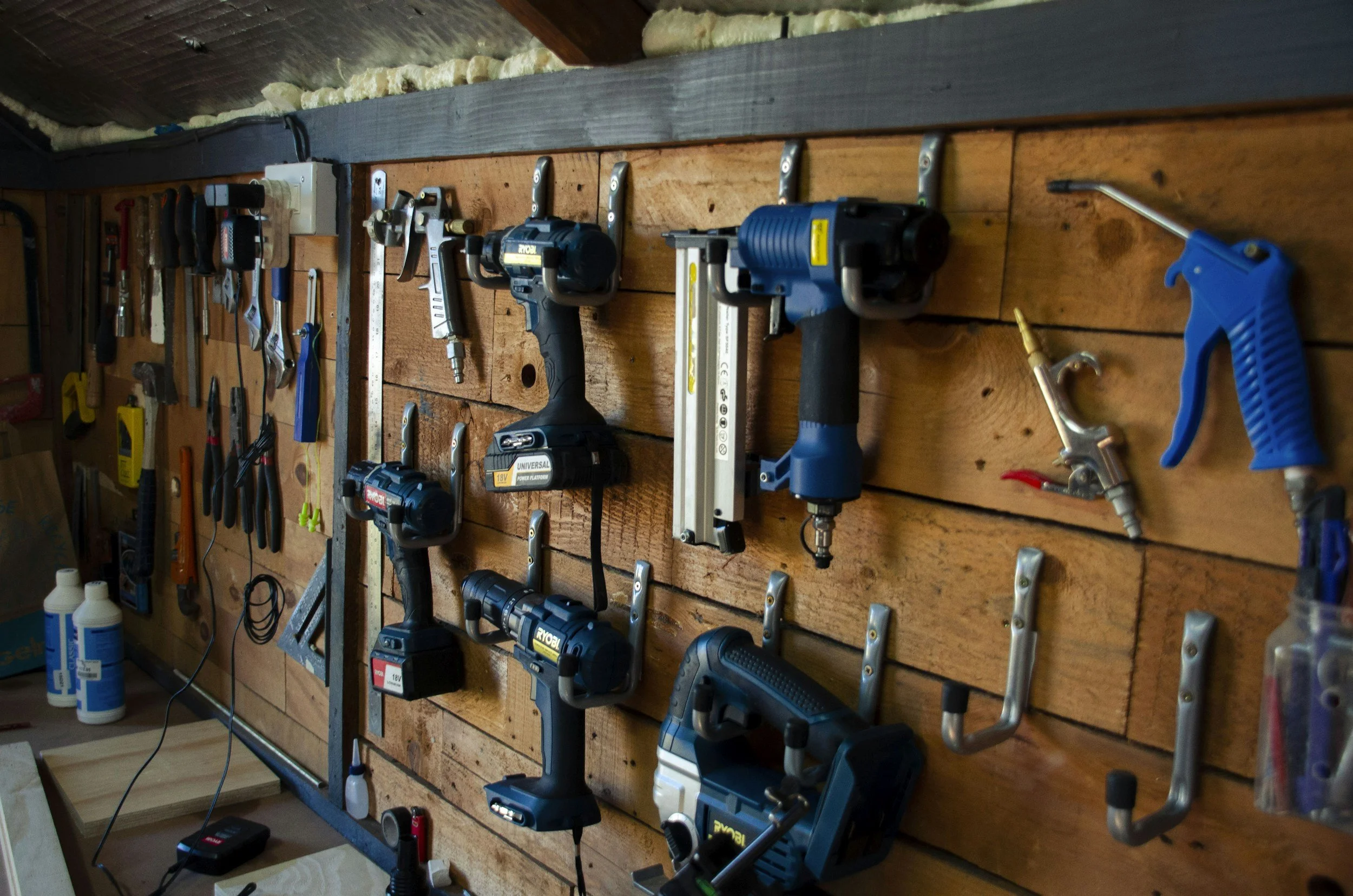
A manufacturer of premium power tools has spent decades building a reputation for reliability among professional contractors. As sales grow internationally, imitation products begin appearing through online marketplaces using nearly identical branding and packaging.
Contractors unknowingly purchase counterfeit tools that fail under demanding job site conditions. Warranty claims increase, negative reviews begin appearing online, and distributors receive complaints about products they never supplied.
The counterfeit manufacturer disappears after making the sale. The legitimate brand is left rebuilding customer confidence.
What Makes A Product Vulnerable To Counterfeiting?
Not every product attracts counterfeiters. Products become attractive when they have one or more characteristics that make them profitable to imitate.
Premium pricing, strong brand recognition, global distribution, limited availability, and high consumer demand all increase the likelihood of counterfeit activity. Products sold online, distributed internationally, or resold through secondary markets are particularly vulnerable because they change hands frequently and are often difficult to monitor.
Ironically, success is often what makes a product a target. Counterfeiters rarely create demand—they exploit brands that have already invested years building it.
Why Counterfeiters Target Successful Brands
Counterfeiters don't choose products at random. They look for brands that have already earned trust in the marketplace.
Every dollar a company spends on product development, marketing, customer service, and reputation increases the value of its brand. Counterfeiters attempt to capitalize on that investment without making it themselves.
In many ways, becoming successful increases the importance of having a brand protection strategy.
Protect Your Brand Before Someone Else Profits From It
Counterfeit products aren't going away.
The question is whether your business has a strategy to reduce the risk before your reputation is put to the test.