
Frequently Asked Questions (FAQs)
Every product, material and authentication challenge is different. These answers provide a general overview of how DNA Technologies develops and implements physical authentication solutions.
-
Physical authentication places an identifying feature directly on or within a product, label, package, certificate or other physical asset. Unlike a digital record that describes an object, a physical identifier remains connected to the object itself.
-
The DNA Matrix™ is DNA Technologies’ proprietary authentication system. It combines a unique DNA identifier with additional security features selected for the application. Depending on the project, it may be incorporated into inks, labels, coatings, dyes, resins, polymers or other compatible materials.
-
Usually, no. Most commercial applications use a proprietary synthetic DNA sequence created for the client, product or program.
Biological DNA may be considered for certain founder, creator or celebrity applications, but only with informed consent and appropriate procedures.
-
The DNA marker is physically present on or within the product. Supporting records may be maintained separately by the client, an authentication partner or an agreed platform.
The physical identifier does not disappear if a website, QR code or digital platform changes. Verification still requires access to the appropriate reference information and authentication process.
-
It can be covert or visible.
Many applications are designed to remain invisible during normal use. Others may intentionally use a visible mark as part of the product, certificate, signature or customer experience.
-
The objective is to develop an application that does not negatively affect the product’s appearance or performance.
Because materials and finishes vary, compatibility should be confirmed before implementation.
-
Potentially. Some solutions can be applied to completed products, while others are better incorporated during production.
The material, finish, intended use and available mark location must be reviewed first.
-
In some programs, yes.
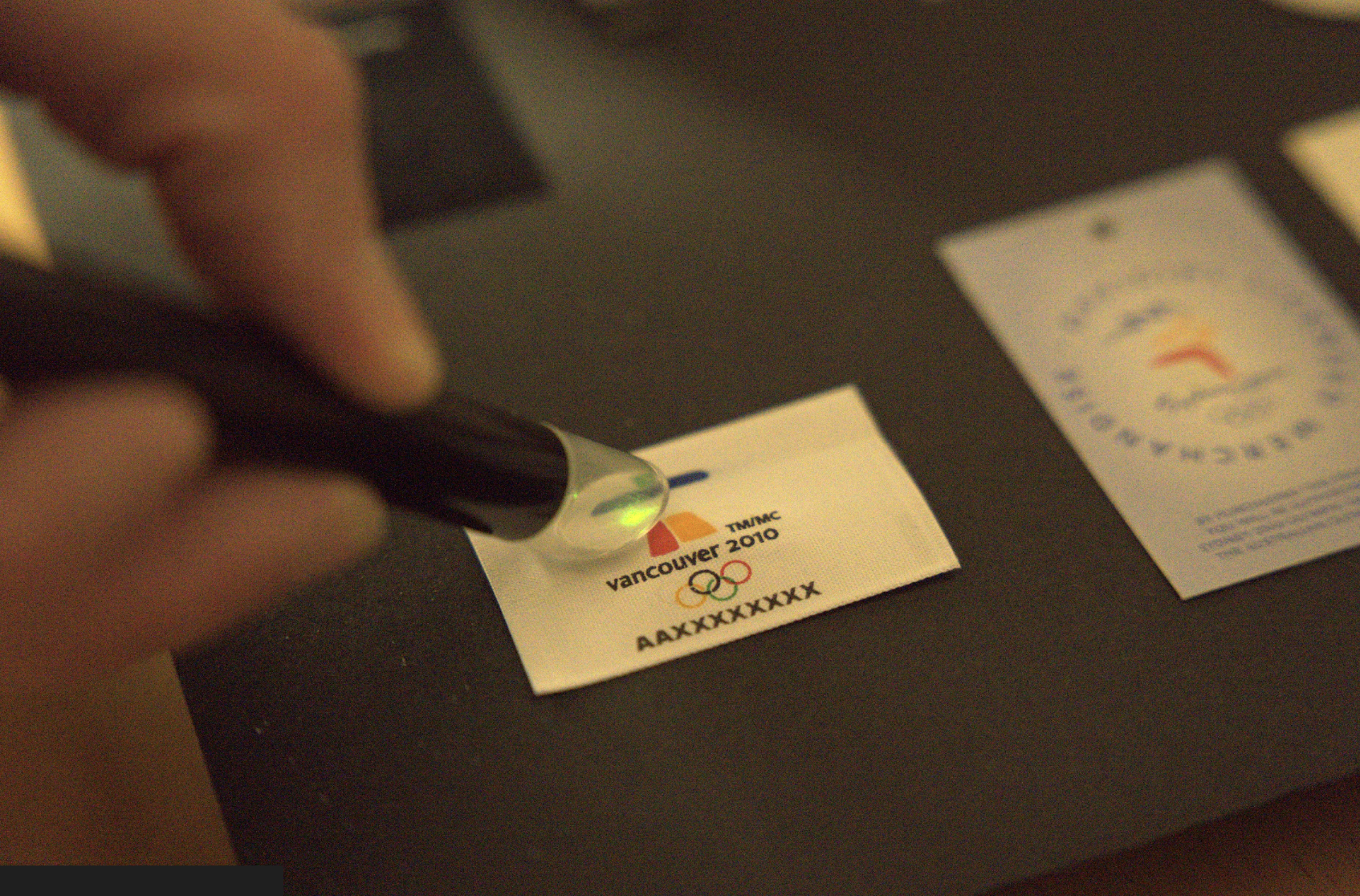
An approved marking pen, stamp, ink or application kit may allow an artist, maker, authenticator or authorized employee to apply the marker using a documented process. Other projects may require application during manufacturing or by a trained service provider.
-
Durability depends on the formulation, substrate, mark location, environment and expected handling.
These factors are considered during development and testing. DNA Technologies avoids treating every surface or application as though it will perform identically.
-
A typical pilot may include:
Reviewing the product and objective
Receiving representative samples
Identifying potential mark locations
Testing compatible formulations
Selecting a verification method
Producing a limited number of marked samples
Reviewing performance and application procedures
Developing a commercial implementation plan
The exact scope depends on the product and intended use.
-
Pricing depends on the formulation, application method, production quantity, testing requirements, verification process and level of customization.
A small creator program is structured differently from a manufacturing application involving millions of units. DNA Technologies begins by understanding the project before recommending an appropriate scope.
-
DNA Technologies can develop solutions for artwork, collectibles, luxury goods, consumer products, wine and spirits, pharmaceuticals, documents, certificates, labels, packaging, manufactured components and other physical assets.
Compatibility depends on the product’s materials, finish, manufacturing process and intended use.

Protect Your Brand Before Someone Else Profits From It
Counterfeit products aren't going away.
The question is whether your business has a strategy to reduce the risk before your reputation is put to the test.