
Over the past several months, we have been speaking with artists, makers, appraisers, dealers, collectors and specialists across several industries.
The objects are different. The same question keeps coming up:
How do you permanently connect a physical object to the information that supports its identity?
A rare instrument may have decades of appraisal and restoration records. A custom knife may have a maker’s mark and detailed build record. An artwork may be accompanied by a certificate and catalogue entry. A limited-edition collectible may have serialized packaging and a digital registration.
All of that information is valuable. But the record and the object are still two separate things.
A Record Can Describe an Object
Digital records are useful for documenting ownership, materials, condition, production history, restoration work and provenance. They make information easier to update, search and transfer.
Certificates, serial numbers and databases also play important roles.
The challenge is that these systems generally describe the object. They do not necessarily provide a physical connection to the specific item in front of you.
Certificates can become separated from objects. Packaging can be replaced. Serial numbers can be copied. Digital records can remain accurate while the item being presented alongside them changes.
This does not make those systems ineffective. It means there may be value in adding another layer.
Connecting the Record to the Object
Physical authentication creates a connection at the object level.
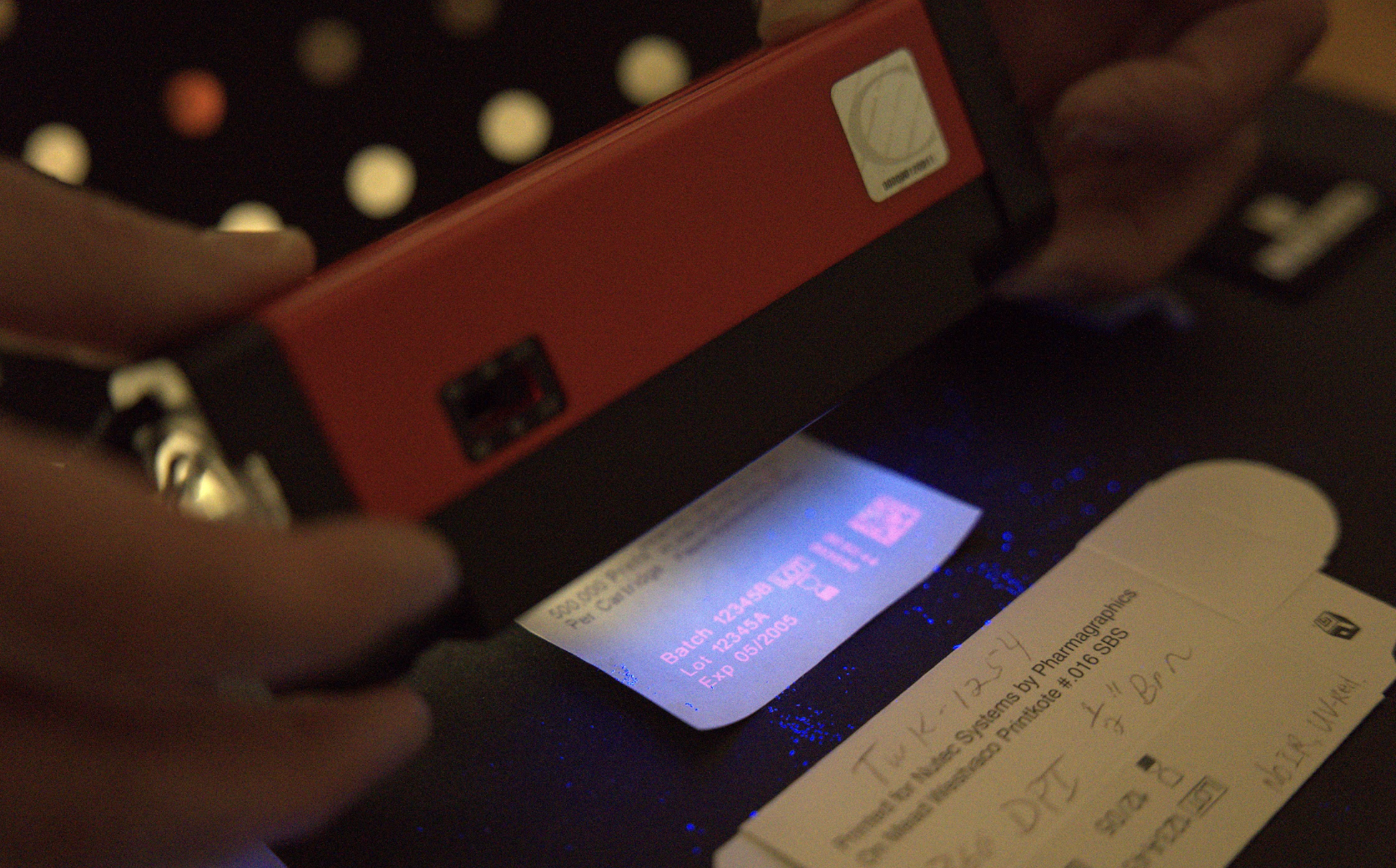
A covert DNA marker can be applied to a compatible area of an object, incorporated into a label or coating, or paired with a physical certificate. Depending on the product and application, the marking can also include a visible component.
The marker stays with the physical item and can be verified when a question arises.
It is not GPS. It does not continuously track the object. It does not need to replace a maker’s mark, certificate, serial number, database or expert examination.
Instead, it gives those existing systems something physical to connect back to.
The digital record preserves the story. The physical marker helps identify the object the story belongs to.
Not Every Object Needs the Same Approach
A violin and a custom knife present very different material and conservation considerations. An original painting requires a different approach than a designer toy, luxury accessory or automotive component.
That is why physical authentication should not be treated as a one-size-fits-all product.
The material, finish, manufacturing process, value, ownership journey and likely verification points all matter. Compatibility should be tested before anything is applied to an important object.
In some cases, marking the object directly makes sense. In others, the best starting point may be a controlled component, label, certificate, package or service record.
It may only be appropriate for a limited edition, a high-value product line or a small number of historically important pieces.
Existing Products Are Not Too Late
Another common assumption is that authentication only helps products that have not yet been released.
In practice, there are several ways an existing product can enter an authentication program:
During appraisal or expert examination
When it returns to the maker for service or restoration
Through an authorized dealer or resale platform
When a certificate is issued or replaced
During estate, archive or collection registration
Through a voluntary re-certification program
As part of a warranty or disputed-return review
Future products can be marked during authorized production. Existing products can enter at meaningful checkpoints in their ownership journey.
The right approach depends on the problem being solved.
The Value Is Often Broader Than Counterfeit Deterrence
Counterfeiting is an obvious use case, but it is not the only one.
Physical authentication can also support decisions involving provenance, resale, insurance, warranty claims, returns, authorized production, dealer intake and disputed ownership.
For creators, it can help preserve the connection between their work and the records they created for it.
For dealers and appraisers, it can provide an additional way to support future verification after an item has been examined.
For brands, it can help distinguish authorized products from unauthorized production, substituted components or questionable returns.
For collectors, it can provide greater confidence that the object and its supporting documentation still belong together.
None of this replaces expertise. It helps preserve the value of that expertise as the object moves between people, places and systems.
Start With One Meaningful Use Case
A physical authentication program does not need to begin with every item a company has ever produced.
It can start with one upcoming release, one frequently copied product, one important collection or one point where questions about authenticity already occur.
That is often enough to determine whether the approach creates practical value without adding unnecessary complexity.
The most useful first question is not, “How do we authenticate everything?”
It is:
Where would being able to verify the physical object make the biggest difference?
For more than 30 years, DNA Technologies has helped organizations develop physical authentication and product-marking strategies suited to their products, industries and risks.
If you have one product, object or collection worth mapping, we would be interested in starting there.