

Product Authentication
Confidence Starts With Knowing It's Genuine.
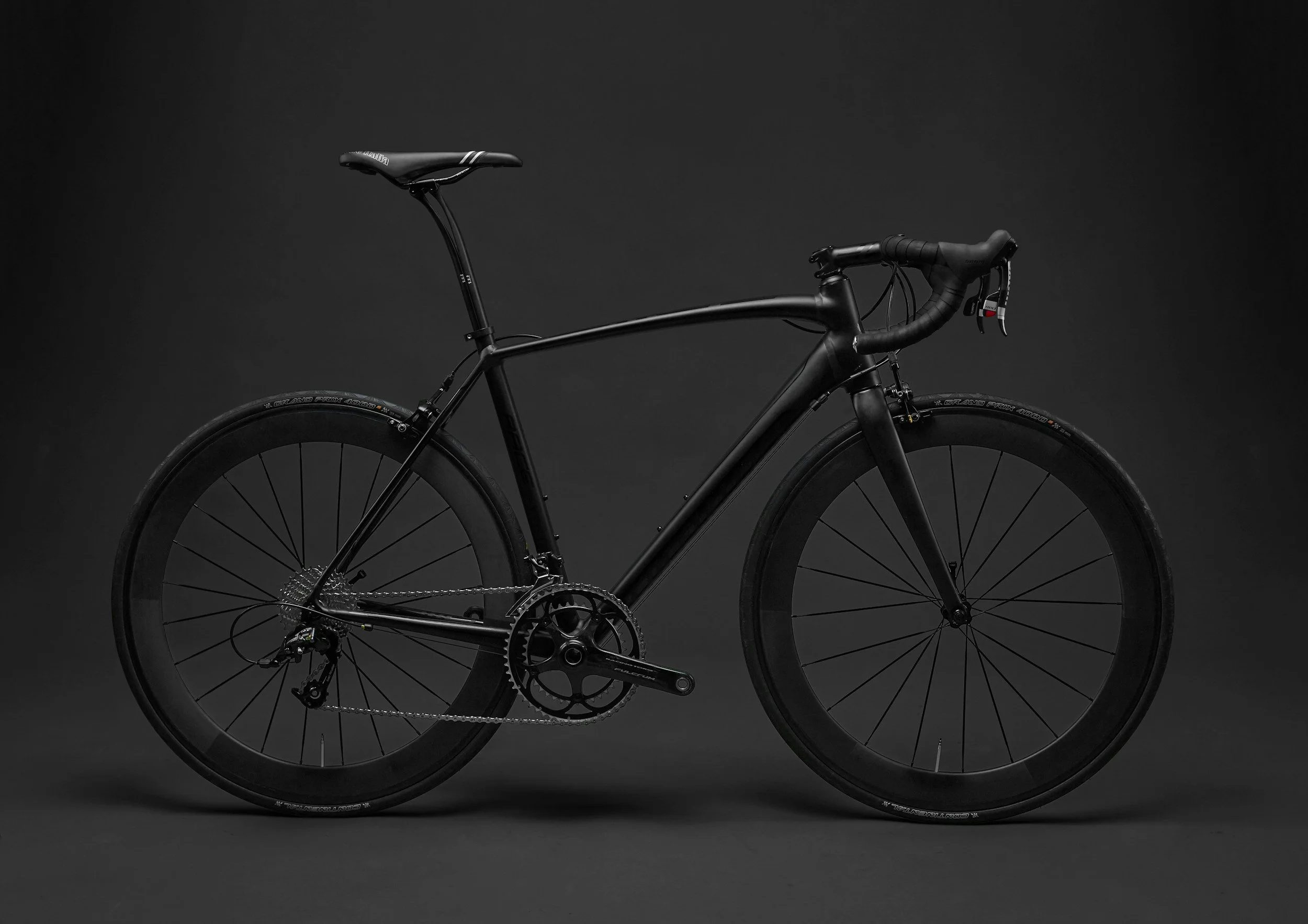
Whether it's a limited-edition print, a bottle of premium spirits, pharmaceutical packaging, luxury apparel, or licensed sports memorabilia, customers expect one thing above all else: authenticity.
When that confidence is lost, so is trust.
Product authentication gives manufacturers, brand owners, rights holders, and distributors the ability to verify that a product is genuine throughout its lifecycle. It's one of the most effective ways to protect brand value, strengthen consumer confidence, and reduce the impact of counterfeit products entering the marketplace.
Why Product Authentication Matters
Counterfeit products don't just cost businesses revenue—they undermine years of investment in reputation, quality, and customer relationships. When a customer unknowingly purchases a counterfeit product, they rarely blame the counterfeiter; instead, they hold the brand responsible, associating the negative experience with the name on the product.
For organizations operating in premium markets, authenticity is not simply a security concern—it becomes a meaningful business advantage. Over more than three decades, we've seen this play out across industries. Collectors seek confidence that their memorabilia is genuine, luxury brands work to preserve exclusivity, pharmaceutical manufacturers require assurance throughout complex supply chains, and wine producers strive to maintain the integrity of every bottle bearing their label.
While each industry faces its own unique challenges, they all begin with the same fundamental question: "How do we prove this product is genuine?"
Authentication Should Fit Your Business
Some organizations require discreet, covert verification. Others need authentication built directly into manufacturing.
Some are protecting a handful of highly valuable products. Others are producing millions of units every year.
At DNA Technologies, we've spent more than 30 years helping organizations build authentication strategies around the realities of their business—not around the limitations of a technology.
Experience Across Industries
From licensed merchandise and sports memorabilia to fine art, luxury goods, pharmaceuticals, consumer products, security printing, and premium beverages, we've helped organizations protect what they've worked years to build.
Every project is different. The goal never changes.
Protect the product. Protect the brand. Protect the trust behind it.
Product Authentication Scenario
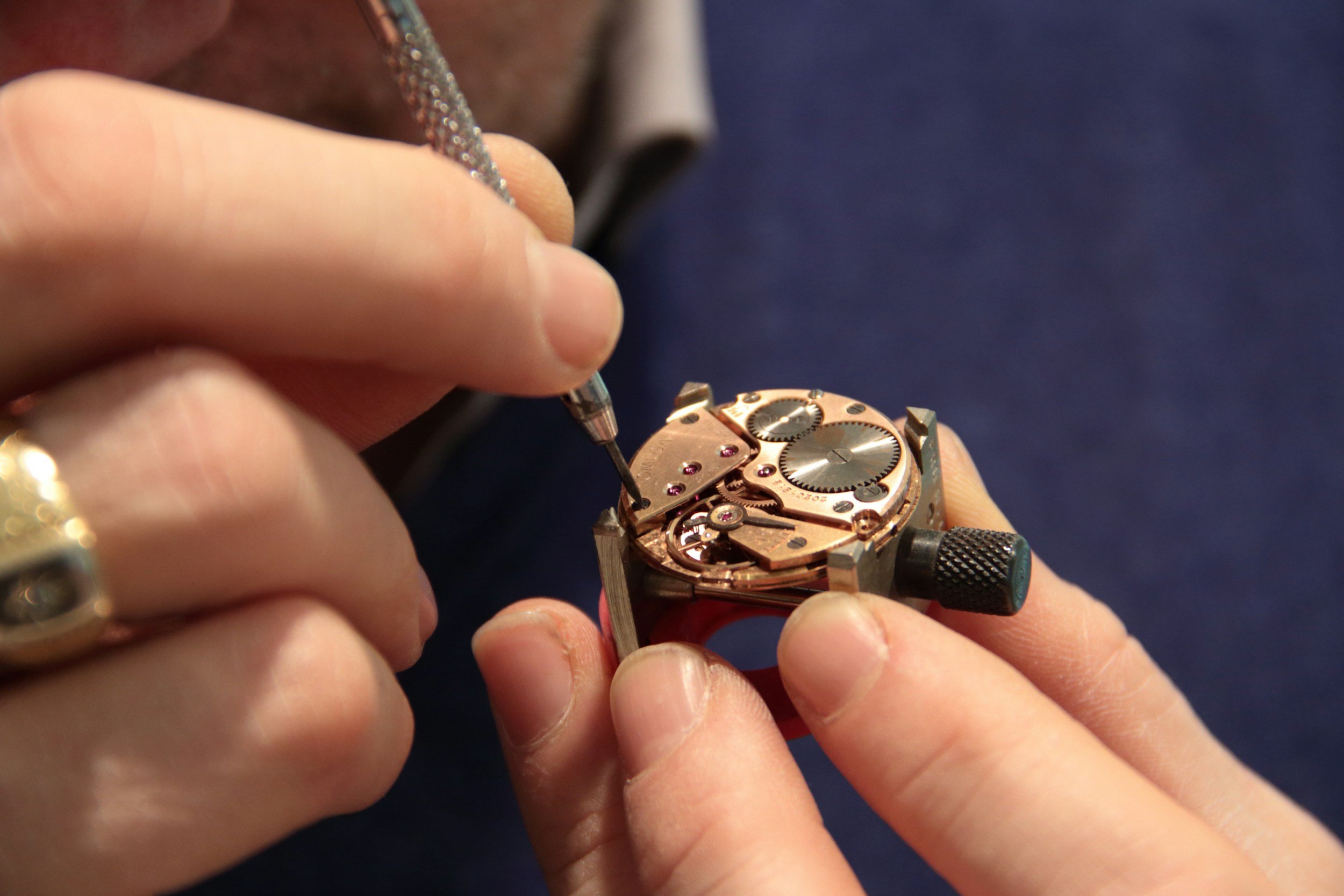
A luxury watchmaker launches a limited production run of 2,500 timepieces. Within months, convincing replicas begin appearing online and through unauthorized resellers, making it increasingly difficult for collectors to distinguish genuine pieces from counterfeit ones.
By incorporating product authentication into the manufacturing process, each watch receives a covert, permanent identifier that remains with the product for life. If authenticity is ever questioned, the manufacturer has a reliable method of verifying the original while protecting collector confidence, resale value, and the reputation of the brand.
Let's Build The Right Authentication Strategy
Every product tells a different story. Let's make sure yours can always be trusted.