

Product Tagging
Every Product Deserves A Permanent Identity.

The most effective brand protection strategies begin long before a product reaches the customer.
They begin during manufacturing.
Product tagging creates a permanent, covert method of identifying authentic products, giving organizations confidence that what reaches the marketplace can always be verified.
Whether applied to products, packaging, labels, or printed materials, effective product tagging becomes part of the product itself without affecting its appearance or performance.
Why Product Tagging Matters

Counterfeiters become more sophisticated every year, and visual inspection alone is often no longer enough to distinguish genuine products from imitations. Certificates can be separated, packaging can be copied, and labels can be recreated with increasing accuracy. Product tagging introduces a level of identification that remains with the product throughout its lifecycle, providing organizations with greater confidence while making life significantly more difficult for counterfeiters.
Built Around Manufacturing
One of the biggest misconceptions surrounding product tagging is that it requires manufacturers to completely redesign their production process. It doesn't.
For more than 30 years, DNA Technologies has worked with organizations to develop tagging strategies that integrate naturally into existing manufacturing environments. Every solution is designed around the realities of production, not theoretical laboratory conditions. The result is stronger protection with minimal operational disruption.
More Than A Security Feature
Effective product tagging does more than identify authentic products. It supports brand integrity, strengthens consumer confidence, improves authentication, helps address diversion, supports investigations, and provides organizations with greater confidence throughout the supply chain.
Product Tagging Scenario
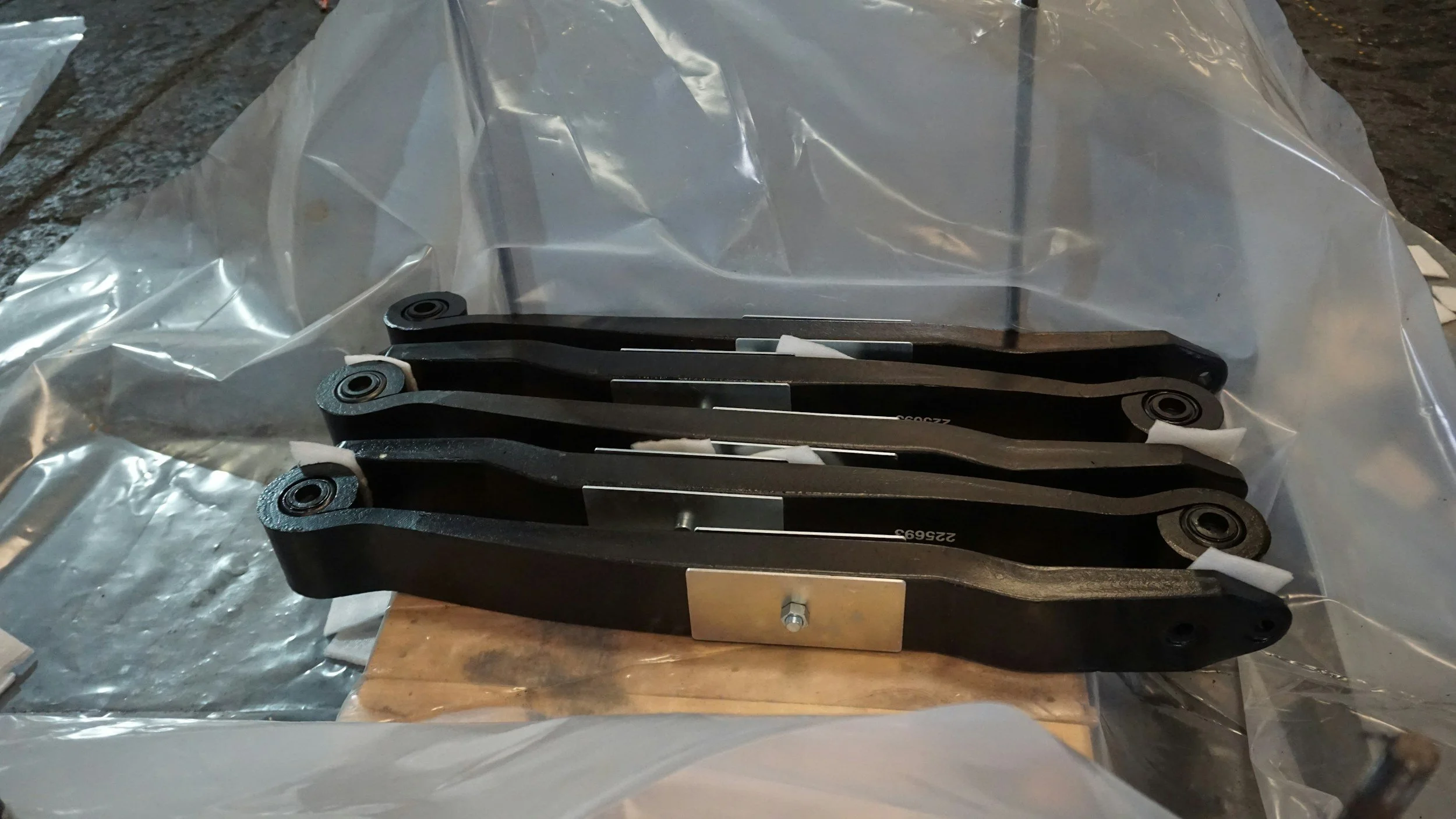
A manufacturer of premium automotive components supplies parts to distributors around the world. As demand grows, counterfeit components begin entering the market, creating safety concerns and damaging relationships with customers who unknowingly purchase imitation products.
By integrating covert product tagging directly into the manufacturing process, every genuine component can be identified without changing its appearance or affecting production. The result is greater confidence throughout the supply chain and a stronger ability to distinguish authentic products from unauthorized copies.

Let's Talk About Your Products
Every manufacturing process is different. Let's build a tagging strategy that fits yours.